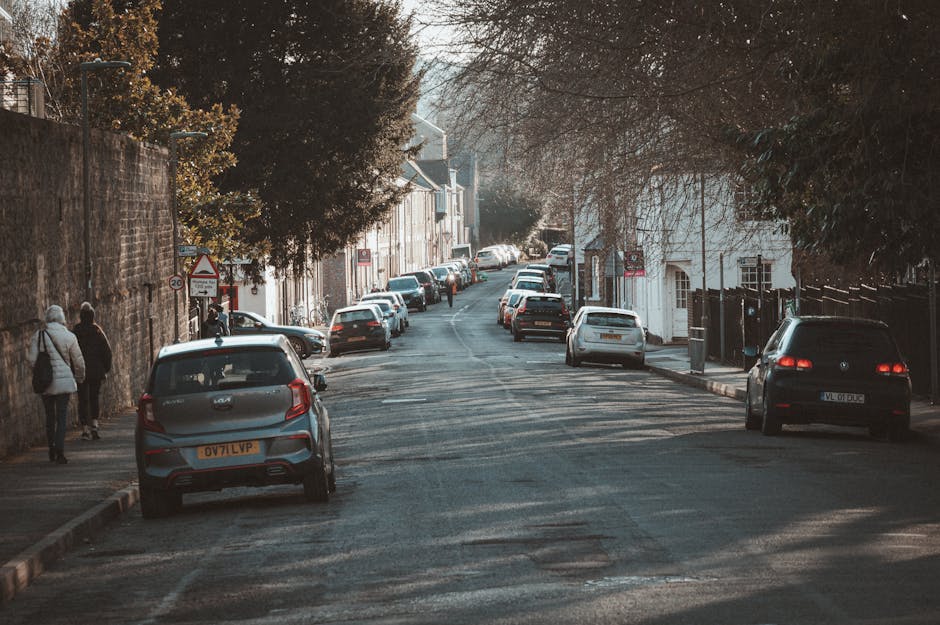
Narrow Lanes in Bexley? Access Solutions for Vans
Posted on 26/06/2026

Moving a van through Bexley's tighter residential roads can feel straightforward on paper and awkward in real life. One parked car in the wrong place, a bend that looks fine on a map but not in a long wheelbase van, and suddenly the whole schedule starts to wobble. That is exactly why Narrow Lanes in Bexley? Access Solutions for Vans matters: it is not just about getting from A to B, but about getting there safely, legally, and without turning a move into a small local drama.
In this guide, we'll walk through what makes narrow access tricky, how the right van strategy works, who benefits most, and which practical steps save time, stress, and damage. If you are planning a move in a compact street, a flat with limited frontage, or a property with awkward loading space, this is the kind of information that pays for itself pretty quickly. And yes, a little planning goes a long way.
Why Narrow Lanes in Bexley? Access Solutions for Vans Matters
Bexley has plenty of streets where everyday life and moving-day logistics do not always get along. Narrow lanes, parked cars, tight corners, shared access roads, and low tolerance for overhang all change the game. A van that is perfectly suitable for a regular suburban road can become a headache the moment the street narrows or the turning circle shrinks.
That matters for three reasons. First, access affects safety. Drivers need room to manoeuvre without clipping mirrors, scraping walls, or forcing pedestrians into unsafe positions. Second, access affects time. If the van cannot get close enough to the entrance, every item has to be carried further, which slows everything down. Third, access affects the items themselves. Longer carries increase the chance of knocks, slips, and tired handling. No one wants a sofa taking a little wall souvenir with it.
In practical terms, narrow-lane planning is especially important for moves involving flats, terraced homes, mews-style streets, older housing stock, or properties near busier local routes where on-street parking eats into usable width. It is also relevant if you are arranging a man with a van in Bexleyheath and need to be certain the vehicle can actually reach the door, not just the postcode.
A lot of moving stress comes from assumptions. The street looks wide enough. The van is "not that big." The lift is only upstairs. Easy, right? Then the booking day arrives and the reality is a little different. That is why proper access planning is one of the quiet essentials of a smooth move. It is unglamorous, but it saves the day.
How Narrow Lanes in Bexley? Access Solutions for Vans Works
Access solutions are basically the set of decisions that make a van move workable in a restricted street or awkward property layout. The process starts before the van arrives. A good plan looks at road width, turning space, height restrictions, parking options, property frontage, and whether a shorter carry route is possible from a side access point or rear entrance.
In simple terms, the approach usually involves four layers:
- Pre-visit or remote assessment: checking photos, street views, measurements, and any obvious obstacles.
- Vehicle matching: choosing a van size that suits the road rather than forcing the largest available van into a tight street.
- Loading strategy: deciding where the van should stop, which doors will be used, and how items will be moved efficiently.
- On-the-day adjustments: changing the plan if a delivery truck, bin lorry, or parked car makes the original route unusable.
This is where experience matters. A seasoned mover does not just think, "Can I get in?" They ask, "Can I get in, stop safely, work without blocking everyone, and leave without a stressful reverse manoeuvre?" That last part, truth be told, is where many problems begin.
For some streets, the solution is a smaller removal van. For others, it is a standard van with a smarter parking position. Occasionally, the best answer is a short shuttle system: park at the nearest workable point, then move items in stages using trolleys and proper handling equipment. If you need something more flexible, services like a suitable removal van in Bexleyheath or a wider removal service in Bexleyheath can be matched to the access conditions rather than guessed.
It also helps to think about the order of operations. Heavy items go first. Fragile items are secured and kept out of the crush zone. And if access is truly limited, planning the packing and carry route in advance can make a surprisingly big difference. The article on packing like a pro for moving is a useful companion read for that reason.
Key Benefits and Practical Advantages
Good access planning does more than prevent accidents. It improves the whole move from start to finish. To be fair, people usually notice the benefits only after something goes wrong on a previous move. But once you've had one of those "why is the van half a street away?" moments, you stop underestimating it.
- Less carrying distance: fewer steps between property and vehicle means quicker loading and unloading.
- Lower damage risk: tighter control over turns, corners, and lift angles reduces the chance of scuffs and knocks.
- Better timing: a realistic access plan helps the move stay on schedule.
- Improved safety: fewer rushed manoeuvres and fewer awkward lifts protect people and property.
- Cleaner communication: everyone understands where the vehicle will stop and how the move will flow.
Another benefit is cost control. When access is badly planned, jobs can take longer than expected. That may mean more labour time, more waiting, or a second trip in some cases. By contrast, a correctly sized van and a sensible loading position can keep the job compact and efficient. In moving, "efficient" is usually just another word for "less stress later."
If you are choosing between a man and van service in Bexleyheath and a larger team-led option like house removals in Bexleyheath, access conditions should absolutely influence the decision. A smaller vehicle can be the smarter choice if the street is narrow, but a larger team may still be the right call if there are bulky items, multiple floors, or very limited time.
Expert summary: in narrow Bexley lanes, the best solution is not "the biggest van we can send." It is the van, carry plan, and parking position that fit the street, the property, and the items without unnecessary friction.
Who This Is For and When It Makes Sense
This kind of access planning is not just for tricky properties. It is for anyone whose move depends on a vehicle reaching a safe, workable stopping point. That includes first-time movers, families in terraced housing, students moving into compact accommodation, small businesses with awkward deliveries, and anyone dealing with older roads that were never designed around modern van sizes.
It makes particular sense if you are:
- moving from a narrow residential street with on-street parking
- relocating from a flat with tight stairways or limited frontage
- moving furniture that cannot be safely carried a long distance
- dealing with time-sensitive access, such as a same-day turnaround
- organising a move with specialist items like a piano, freezer, or mattress
If that last point sounds specific, that is because it is. Specialist items make access issues more noticeable, not less. A piano, for example, is not something you want to drag a long way from a roadside parking spot. If you are moving one, it is worth reading more about piano removals in Bexleyheath and the practicalities covered in navigating the complexities of piano moving.
It also makes sense for people who need flexibility. A narrow lane may not be a problem if the schedule is calm and the van can park for a short loading window. But if there are access restrictions, traffic pressure, or a lot of belongings, it becomes worth considering alternatives such as same-day removals in Bexleyheath when time is the main issue. Not every move needs this, of course. But some do, and access is often the difference between manageable and messy.
One quick reality check: if you are moving from a place where the front door opens almost directly onto the pavement, a six-metre van parked badly can turn the whole street into an obstacle course. The solution is rarely panic. It is usually planning. Boring? Maybe. Effective? Very.
Step-by-Step Guidance
Here is a practical way to approach access planning without overcomplicating it. You do not need a surveyor's notebook. You do need a clear sequence and a willingness to think through the awkward bits before moving day.
- Inspect the access route. Look at the street, entrance, pavement width, bends, parked cars, and any low branches or walls.
- Measure the important points. Door width, hallway turns, step heights, and the widest item all matter. A tape measure is small, but it earns its keep.
- Choose the right vehicle size. A smaller van can often work better than a large one in cramped Bexley lanes.
- Decide the loading point. Pick the safest place for the vehicle to stop without blocking driveways or creating a hazard.
- Pack for access. Put heavy, stable items near the vehicle-side route and fragile items where they are less likely to be squeezed.
- Plan the carry path. Clear hallways, open internal doors, protect corners, and remove trip hazards.
- Confirm timing. Morning traffic, school runs, refuse collections, and delivery vans can all affect access. A ten-minute delay here and there adds up.
There is a small but important detail people often miss: the route from the van to the front door matters as much as the route to the street. A narrow pavement, a garden gate that opens in the wrong direction, or a step onto uneven ground can slow everything down. It can also be the point where a helper slips or bangs an item if everyone is trying to move too quickly.
That is one reason preparation tips like those in essential decluttering steps for a smooth move are so helpful. Less clutter means less obstruction, and less obstruction means a cleaner, safer carry line. Simple, really.
If you are moving a flat or a small property, the benefits are even more obvious. You can compare the access approach with the practical ideas in flat removals in Bexleyheath and small flat move techniques. They pair well with narrow-lane planning because both focus on reducing friction in compact spaces.
Expert Tips for Better Results
These are the little moves that separate a smooth day from an unnecessarily stressful one. None of them is magical. They just work.
- Use photo evidence. If the access point is awkward, a few clear photos help everyone understand what they are dealing with.
- Keep a parking fallback. Have a second option in mind in case the first stop is blocked.
- Protect the route. Blankets, corner guards, and simple floor protection reduce damage when space is tight.
- Load in the right order. Heavy and stable pieces first, then lighter items, then fragile bits secured last.
- Work with the street, not against it. If traffic flows one way or parking is awkward at certain times, plan around that rather than hoping for the best.
Here is another one that people often forget: communicate with neighbours if a vehicle may need brief access near their driveway. It is not about asking permission for everything. It is just common courtesy. A quick heads-up can prevent awkward conversations later, and in a tight lane that is worth more than most people think.
Use the same calm logic when handling awkward goods. If you are moving a sofa, for example, planning the carry angle and the door width first helps avoid accidental twisting. The advice in sofa storage and handling guidance can be surprisingly useful because many of the same protective principles apply during movement, not just storage.
And for items that are especially weighty, try not to improvise. Good lifting technique, suitable equipment, and a sensible team setup matter. If you want a plain-English refresher, the article on kinetic lifting is worth your time. Not glamorous reading, perhaps, but your back will thank you.
Common Mistakes to Avoid
Most access problems do not begin with a catastrophic failure. They begin with one small assumption. That is the annoying bit.
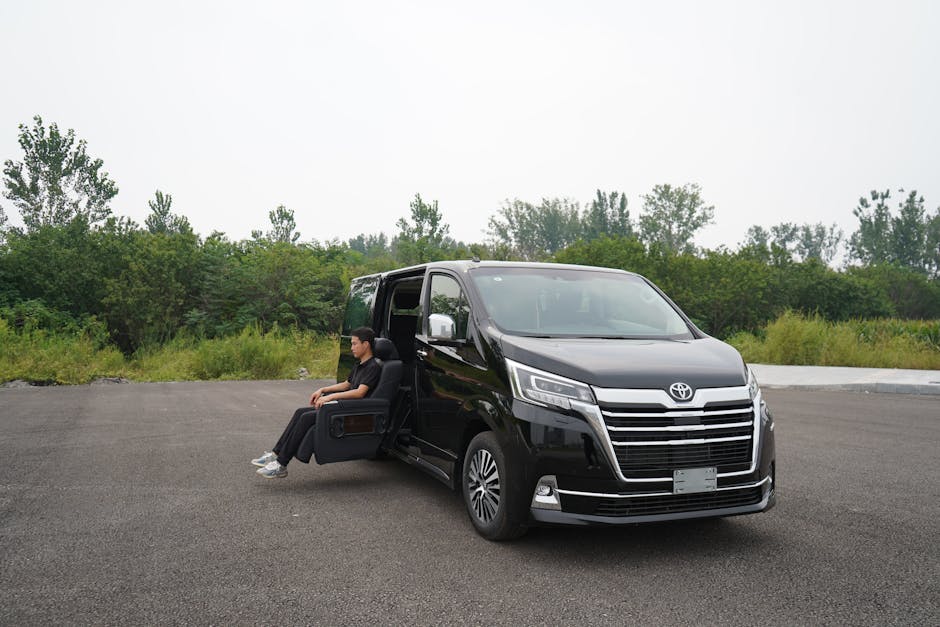
- Assuming the van will fit because a car fits. A van needs different turning room, stopping space, and clearance.
- Ignoring parked vehicles. A street that looks wide enough at 8 a.m. may be much tighter later in the day.
- Forgetting about height limits. Trees, low walls, signposts, and overhanging branches can become real obstacles.
- Leaving access checks until moving day. By then, you are working against the clock.
- Overloading the carry distance. If the van is too far away, fatigue and drop risk increase quickly.
Another common issue is trying to move everything in one perfect sweep. Sometimes that is fine. Sometimes it is fantasy. If the lane is tight and the property access is difficult, breaking the job into phases can be far more reliable than chasing a heroic one-trip finish. Honestly, the heroic approach is overrated.
People also underestimate how much awkward access affects specialist items. Beds, freezers, and large furniture all need a cleaner, more deliberate route. If you are moving a freezer, it helps to review safe freezer handling guidance and the essential guide to transporting a bed and mattress before the day arrives.
One more thing: do not let the access issue push you into rushed DIY handling if the load is heavy or the route is poor. It is better to take an extra five minutes than to force a bad lift. If you are unsure, useful advice like lifting heavy objects alone safely can help you judge what is sensible and what is not.
Tools, Resources and Recommendations
You do not need a van full of gadgets to manage narrow access, but a few tools make life easier. The best kit is practical, not flashy.
| Tool or Resource | Why It Helps | Best Used For |
|---|---|---|
| Tape measure | Confirms door widths, turns, and item dimensions | Route checks and furniture planning |
| Moving blankets and covers | Reduces scuffs in tight spaces | Walls, furniture edges, and door frames |
| Furniture straps | Keeps items secure during short carries and loading | Heavy or awkward furniture |
| Hand truck or sack barrow | Removes strain from long carries | Boxes, appliances, and bulk loads |
| Photo checklist | Shows the access point and any restrictions clearly | Pre-move planning and team communication |
For people who want broader support, the service pages on services overview, removals in Bexleyheath, and removal services in Bexleyheath are useful places to understand how different move types are structured. If you are moving furniture only, the focused option at furniture removals in Bexleyheath may be more appropriate.
For the admin side, practical reading on pricing and quotes, payment and security, and insurance and safety helps you make a more informed decision. None of that is exciting, I know. But the boring details are often the ones that protect you best.
If sustainability matters to you, it is also sensible to consider how unwanted items are handled. The page on recycling and sustainability is a good reminder that moving does not have to mean waste. And if you are clearing out before a move, a quick look at pre-move home cleaning tips can help the property look tidy and easier to work in.
Law, Compliance and Best Practice
For narrow-lane moves, the main compliance concerns are practical rather than dramatic: safe loading, lawful parking, considerate access, and avoiding obstruction. In the UK, local road rules, parking restrictions, and general health and safety expectations all matter. You do not need to become a transport lawyer, but you do need to respect the street you are working in.
Best practice usually means checking whether the van can stop without blocking driveways, junctions, or emergency access. It also means making sure the loading area is as safe as possible for anyone carrying items. Where a property has shared access, it is sensible to keep routes clear and avoid leaving items where residents, visitors, or pedestrians might trip.
From a business perspective, a professional mover should think about vehicle suitability, load security, and staff safety. That includes using the right team size for the job and not expecting one person to do a two-person task just because the street is tight. That is a fast way to make a bad day worse.
Households should also be mindful of insurance terms and handling expectations. If an item is particularly fragile or valuable, ask how it will be carried, protected, and secured. You can learn a lot from the standards implied in health and safety policy, terms and conditions, and accessibility information. Those pages are not a substitute for common sense, but they do show the kind of care expected.
If you are ever unsure whether a moving plan is too ambitious for the street, pause and rethink it. That is not indecision. That is professionalism.
Options, Methods and Comparison Table
There is no single answer for every narrow lane. The best approach depends on property layout, load size, and how much flexibility you have on the day.
| Method | Best For | Pros | Watch Out For |
|---|---|---|---|
| Smaller van | Very tight lanes, light-to-medium loads | Easier manoeuvring, simpler parking, less street pressure | May need more trips if the load is large |
| Standard van with short carry | Moderate access with workable nearby parking | Balanced capacity and efficiency | Needs a clear loading spot and good traffic timing |
| Shuttle loading | Access too narrow for direct door-to-van loading | Flexible and safe when the street is restricted | More handling, more time, requires coordination |
| Full removal team | Complex home moves, stairs, heavy furniture, multiple rooms | More hands, better control, less strain on you | Usually more expensive than a simple man-and-van job |
Which one is best? Well, that depends on the actual street. A van that works beautifully on one side road can be a terrible fit two streets over. That is why local knowledge matters more than generic advice. If your move involves a flat, a family home, or just one particularly awkward item, a matching approach like man with a van in Bexleyheath or office removals in Bexleyheath may be the more realistic route.
Case Study or Real-World Example
Imagine a move from a Victorian terrace in a narrow Bexley side street. The road is passable, but parking is tight and there is a low wall close to the kerb. On paper, a large van looks attractive because it reduces trips. In practice, it would be awkward to turn in, unsafe to stop, and likely to upset neighbours trying to get past.
The smarter approach is to use a smaller van and park at the nearest sensible point, even if that means carrying boxes a short distance. Heavy items go out first while the route is clear. Fragile items are wrapped and loaded last. Corner guards protect the doorway. A helper stands by the van to keep the loading flow consistent. Nothing dramatic. Just steady, careful work.
That kind of job often feels smoother than people expect because the plan fits the street. There is no frantic reversing, no guessing where to stop, and no one trying to squeeze a huge vehicle into a tiny gap. The move still takes effort, of course. But it stays controlled, and that is usually what the client remembers most.
For another example, think about a small flat move where the access is tight but the contents are modest. In that case, a compact setup and strong packing discipline may be enough. The advice in local route planning for Bexleyheath moves and moving from Danson Park is helpful because the real issue is not only the house, but the path to and from it.
Practical Checklist
Use this checklist before moving day. It keeps things clear and, frankly, saves you from that awful "did we forget something?" feeling at 7:30 in the morning.
- Measure the widest item and the tightest doorway
- Check the street for parked vehicles, bends, and low obstacles
- Decide where the van will stop
- Confirm whether a smaller van is a better fit
- Clear hallways, stairs, and entrance points
- Protect walls, floors, and corners
- Pack heavier items so they can be loaded first
- Keep essentials and valuables separate
- Plan for weather, traffic, and time windows
- Have a fallback parking position in mind
- Check whether bulky waste or leftover items need separate handling
- Review safety and insurance expectations before the move
If you are clearing out items before moving, it may help to read bulky item pickup tips in Bexley so you are not trying to squeeze unwanted furniture into a move that is already tight on space. A less cluttered move is nearly always a calmer one.
Get a free quote today and see how much you can save.
Conclusion
Narrow lanes in Bexley do not have to mean difficult moves. They just require a more thoughtful approach. When the van size, parking position, loading plan, and property access all work together, even a tight street becomes manageable. The trick is to plan for reality, not wishful thinking.
If there is one takeaway here, it is this: the right access solution is often the one that looks modest on paper but works beautifully on the day. Smaller vehicle, shorter carry, safer loading, better timing. Not flashy. Very effective.
And if you are unsure where to begin, start with the access itself. Measure it, picture the route, and think through the awkward corner before the moving crew arrives. That tiny bit of effort can save a lot of noise, walking, and stress later. Sometimes the best move is the calm one.