Albany Road to Broadway: Best Routes for Bexleyheath Moves
Posted on 22/05/2026
If you are planning a move across Bexleyheath, the route can matter just as much as the packing. Albany Road to Broadway may look like a short local shift on a map, but in real life it can involve parked cars, school traffic, tight turns, awkward loading points, and that familiar London moment where a van appears exactly when you least want one. This guide to Albany Road to Broadway: Best Routes for Bexleyheath Moves is built to help you move smarter, not harder.
Whether you are moving a flat, a family home, a student room, or a small office, the best route is the one that keeps your belongings safe, your timing realistic, and your moving day calm enough to breathe through. To be fair, that calm is half the win. Below, you will find route-planning advice, practical preparation steps, safety considerations, and local moving tactics that actually help.
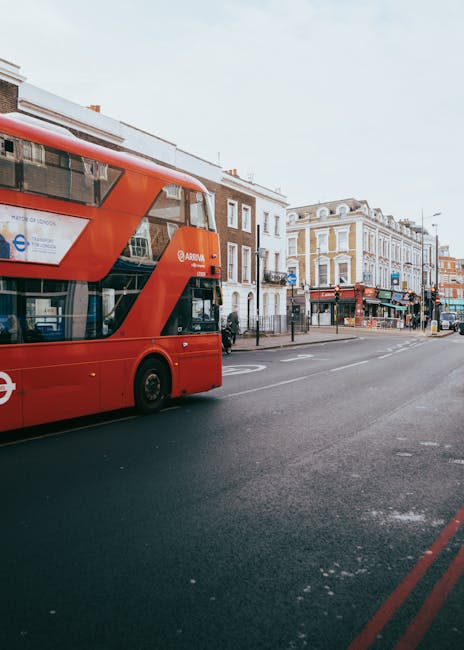
Why Albany Road to Broadway: Best Routes for Bexleyheath Moves Matters
The phrase may sound very specific, but the reason it matters is simple: local moves succeed or fail on the detail. In a place like Bexleyheath, even a few hundred metres can change the moving experience. A route that looks quickest on paper may be the worst option if it puts your van into a narrow street, a school run queue, or a stretch with limited stopping space.
Albany Road and Broadway both sit within the rhythm of everyday local traffic, which means deliveries, shoppers, buses, and pedestrians are often part of the picture. If you are loading bulky furniture or navigating multiple trips, you want a route that reduces walking distance, limits reversing, and avoids awkward pauses where a van ends up blocking the flow. That is not just convenience. It is protection for your belongings and your nerves.
There is also a planning angle. A smooth route helps you estimate how long lifting, loading, and unloading will really take. That matters if you have building access windows, parking restrictions, or a key handover to manage. Truth be told, most moving-day stress comes from underestimating the small things, not the big ones.
If your move involves dismantling, boxing, or delicate items, it is worth pairing route planning with proper preparation. Our guide on packing like a pro for moving is a useful companion piece, and for anyone trying to reduce load before the van arrives, the advice in essential decluttering steps for a smooth move can save real time.
How Albany Road to Broadway: Best Routes for Bexleyheath Moves Works
At its core, route planning for a local move is about matching the vehicle, the load, and the street conditions. A removal van does not just need the shortest path. It needs the safest path for access, loading, unloading, and turning. In practice, that means thinking through several layers at once.
1. Start with access, not distance
Before you think about the map, think about where the van will actually stop. Can it park close enough to the door? Is there room to open tail lifts or carry items safely? Are there corners, bollards, or one-way sections that make reversing a pain? A route that saves two minutes but adds a 60-metre carry is often not a good trade.
2. Choose the time band carefully
Morning school traffic, lunchtime shopper movement, and late-afternoon congestion can all affect local roads around Broadway. If you can be flexible, aim for a window that avoids the most obvious pinch points. Early starts often work well, though you still need to allow for real-world delays. One van, one narrow gap, one impatient driver behind you, and the timetable can wobble quickly.
3. Match the route to the load type
A few boxes and soft bags are easy. A sofa, mattress, or piano is a different story. For larger items, the route matters because the carry itself is only half the job. If the street layout forces awkward angles or extra lifts, you increase the risk of scrapes and strains. For specialist loads, our articles on transporting a bed and mattress and piano moving are worth reading alongside this guide.
4. Build the route around the property type
Flats, maisonettes, terraced houses, and offices all create different moving patterns. A flat move may need lift access or stair planning, while a house move may depend on driveway space or kerbside parking. Office relocations often involve time-sensitive loading and equipment handling, which changes the route choices again. If you are moving from a shared building or compact flat, flat removals in Bexleyheath can give you a better sense of what to plan for.
So, how does this work in the real world? You look at the route, but you also look at the journey around the route. Parking, carrying, timing, and the size of the van all shape the answer.
Key Benefits and Practical Advantages
Getting the route right brings benefits that are easy to overlook until moving day is already underway. The obvious one is speed. Less obvious, but often more valuable, is control.
- Less wasted energy: Fewer long carries mean less fatigue, especially if you are moving multiple boxes and heavy items.
- Lower damage risk: Cleaner access points reduce the chances of bumps, dropped items, and scuffed walls.
- Better timekeeping: Accurate route planning makes arrival and completion estimates more reliable.
- Improved safety: A sensible route reduces rushed lifting and awkward vehicle manoeuvres.
- Smoother coordination: If everyone knows when the van is arriving and where it will stop, the whole move feels less chaotic.
There is also a psychological benefit. Moving can feel oddly noisy even when nobody is speaking: boxes thudding, doors opening and closing, the scrape of tape, the click of a trolley wheel over a threshold. A well-planned route cuts some of that noise out of the day. That matters more than people admit.
For people moving bulky furniture, the route often determines whether the job is straightforward or frustrating. If you are moving items with awkward shapes or finishes, it makes sense to review furniture removals in Bexleyheath so the transport plan matches the item type. For specialist handling, kinetic lifting techniques can also help explain why posture and carry method matter so much.
Who This Is For and When It Makes Sense
This kind of route planning is useful for a wide range of movers, but it is especially valuable if your move has any of the following characteristics:
- you are moving from or to a street with limited parking
- you have a tight handover window
- you are moving a flat with stairs, lifts, or restricted access
- you have heavy furniture or fragile items
- you are coordinating a same-day move
- you want to keep van mileage, waiting time, and loading time under control
Students often benefit from quick, direct routes that minimise the number of lifts and stops, especially when moving between shared housing and smaller flats. If that sounds familiar, student removals in Bexleyheath may be the right service style for you. On the other hand, families relocating a whole house usually need a broader plan that covers parking, furniture dismantling, and perhaps storage for items that do not go straight into the new property. In that case, house removals in Bexleyheath and storage in Bexleyheath can be part of a sensible longer move.
If you are still deciding between a smaller van service and a more full-service removal option, the overview on removal services is helpful because it shows how different move types are usually handled.
Step-by-Step Guidance
Here is a practical way to plan the route from Albany Road to Broadway without overcomplicating it.
- Check your exact addresses and access points. Know which entrance will be used, where keys are collected, and whether there is rear access or only front-door loading.
- Inspect parking and stopping space. Do not assume the van can sit outside the door. A short walk through the street can save a lot of guessing.
- List your largest items first. Sofas, wardrobes, beds, washing machines, and pianos all affect route and timing decisions.
- Pick a sensible moving window. Avoid the busiest local traffic periods if you can. If you cannot, build in buffer time. Always buffer time.
- Prepare the load before departure. Dismantle what can be dismantled, wrap fragile pieces, and label boxes clearly.
- Load in the right order. Heavy, stable items go in first. Fragile and frequently needed items should be kept accessible.
- Confirm the unloading route too. People often plan the first address but forget the second. Both matter equally.
A small but useful detail: if you are moving a freezer, allow extra time for safe handling and positioning. Storage and transport rules can vary depending on the model and how long it has been off. Our guide to storing a freezer safely and effectively covers the basics in plain English.
And if the day starts feeling too busy, step back for a minute. You do not need to solve every future problem before lunch.
Expert Tips for Better Results
The best moving results usually come from small improvements, not dramatic ones. A few practical habits can make a surprisingly big difference on a local route like this.
Keep the van path short and obvious
Where possible, choose the route that lets the van park closest to the property entrance. Even if the drive is marginally longer, shorter carry distances usually win. That is especially true with awkward items such as wardrobe panels, mirrors, or bed frames.
Pre-pack for the route, not just the room
If a box will need to be carried up stairs or through a narrow hallway, make it smaller and lighter than you would for a simple ground-floor move. This is one of those things people only learn after the first backache. Better to avoid that lesson.
Use the right moving support for the item
Specialist items deserve specialist handling. A piano should not be treated like a standard chest of drawers, and a mattress should be protected from damp, bends, and dragging. For those jobs, the guides on bed and mattress transport and piano removals in Bexleyheath are particularly relevant.
Think about the final 20 metres
People obsess over the drive and forget the doorstep. That last stretch often includes kerbs, door thresholds, wet paving, or a turn into a tight hallway. It is often the trickiest part of the whole job, really.
Choose a calm loading environment
Whenever possible, reduce clutter around the exit before the van arrives. A clean landing, clear hallway, and well-labelled boxes help the crew move confidently. If you want a deeper clean before your move, pre-move home cleaning tips can help you get the property ready without missing the practical stuff.
For some moves, especially if you are carrying heavy items yourself for part of the journey, the advice in lifting heavy objects alone is useful, though ideally you should not be doing risky solo lifts if you can avoid it. The truth is, most backs complain for a reason.

Common Mistakes to Avoid
Even a short route can turn awkward when one or two details are missed. These are the errors that show up again and again.
- Assuming the shortest route is the best route. Short on the map does not always mean practical for parking or access.
- Ignoring loading restrictions. A place to stop for 30 seconds is not the same as a legal or safe loading point.
- Underestimating traffic at the wrong time of day. Local school runs and commuter patterns can bite hard.
- Overfilling boxes. Heavy boxes slow everything down and increase the chance of damage.
- Forgetting the unloading side. The new property may be harder to access than the old one.
- Skipping insurance checks. Not every operator offers the same level of cover, and you should never guess.
One classic mistake is booking the move before deciding what is actually coming with you. Declutter first, route plan second, pack third. That order saves stress. If you need a reset on what should stay and what should go, the decluttering guide is a solid place to start.
Another easy one to miss: don't leave specialist items until the end. Sofas, freezers, and beds often need more planning than people expect, especially where access is tight.
Tools, Resources and Recommendations
You do not need a truck full of gear to move well, but a few tools make route-based moves much easier.
- Tape measure: Useful for checking furniture dimensions against doorways, stair turns, and lift space.
- Moving blankets and wraps: Good for protecting finishes and reducing scrape risk during short carries.
- Straps or webbing: Helpful for stabilising loads in the van.
- Dollies or trolleys: Save effort on level ground, though stairs still need care.
- Labels and markers: Speed up loading, unloading, and room placement.
- Phone map and postcode check: Simple, but do not skip it. A wrong turn in a local move can be annoyingly expensive in time.
If you need packing supplies, it is worth looking at packing and boxes in Bexleyheath before the move date. Good boxes are not glamorous, but they do a lot of heavy lifting in the background.
For customers who want a more flexible service, a man with a van in Bexleyheath can be a good fit for smaller or quicker moves, while man and van services are often useful when you need practical help without a full-scale relocation. If you are comparing providers more broadly, removal companies in Bexleyheath is a sensible place to review service options.
For general peace of mind, it also helps to read the company pages on insurance and safety and payment and security. A good move is not only smooth. It should also feel properly handled.
Law, Compliance, Standards, or Best Practice
Local moving does not usually involve heavy legal complexity, but there are still sensible standards and duties to respect. If you are stopping on public roads, make sure the loading arrangement is lawful and safe. If you are moving in a shared building, follow the building's access rules, lift instructions, and any time restrictions. That sounds basic, but it prevents a lot of friction.
From a best-practice perspective, professional movers should handle items with care, communicate clearly about timing, and take reasonable steps to reduce risk to property, people, and the vehicle. Customers should also be clear about the items being moved, any access limitations, and whether anything requires special handling. With delicate or high-value possessions, that clarity matters a lot.
It is also sensible to review service terms before booking. The pages on terms and conditions, health and safety policy, and accessibility statement are useful if you want to understand how a provider approaches service, safety, and support.
If you are disposing of unwanted items during the move, consider the environmental side too. Responsible recycling and reuse are part of modern moving best practice, and recycling and sustainability is worth checking if you want to reduce waste where possible.
Options, Methods, or Comparison Table
Different moves call for different approaches. Here is a practical comparison to help you decide what suits your Albany Road to Broadway move best.
| Method | Best For | Pros | Trade-offs |
|---|---|---|---|
| Self-move with a hired van | Very small loads, low budget, flexible timing | Low direct cost, full control | More work, more risk, less support for heavy items |
| Man and van | Student moves, small flats, local transport runs | Efficient, practical, usually easier for loading | May not suit large or complex moves without extra planning |
| Full removal service | Family homes, multi-room moves, specialist items | More support, better handling, usually less stress | Typically higher cost, more scheduling required |
| Same-day removal support | Urgent moves, unplanned access changes, quick turnarounds | Speed, responsiveness, convenience | Limited availability; best for simpler loads or well-prepared moves |
If your move includes a last-minute change or a tight completion window, same-day support can be a lifesaver. The same-day removals in Bexleyheath page is useful if you need a quick turnaround rather than a long lead time.
Case Study or Real-World Example
Here is a realistic example based on the kind of move people often make in Bexleyheath. A couple moving from Albany Road to a property near Broadway had a mixed load: two wardrobes, a sofa, several boxes, a bed frame, and a freezer. On paper, it looked like a straightforward local job. In reality, the access points were the deciding factor.
The old property had limited curb space, so the loading area had to be planned around a short stopping window. The new property had a narrower entrance, which meant larger items had to be brought off the van in a particular order. They also had to make a quick decision about whether the freezer should go in first or last, because access inside the property was tighter than expected.
What helped most was not heroic lifting. It was preparation. Boxes were labelled before the van arrived. The sofa was protected properly. The bed was dismantled in advance. And the route itself was chosen to avoid the busiest traffic period, which saved enough time to make the unloading feel manageable rather than rushed.
It was not a perfect, glossy, magazine-style move. A couple of things took longer than expected, as they do. But the day stayed under control, which is what really counts.
If your own move includes bulky living-room items, a quick look at sofa protection and storage advice can be surprisingly useful, even if you are not storing the piece for long. The same logic applies to protecting surfaces during a short local trip.
Practical Checklist
Use this checklist in the day or two before the move. It is simple, but it works.
- Confirm both postcodes and access details
- Check whether parking or stopping space is available at both ends
- Measure large items against doorways and stair turns
- Book the right type of van or moving support
- Label boxes by room and priority
- Disassemble furniture where practical
- Protect mattresses, sofas, mirrors, and screens
- Keep documents, keys, and chargers in one easy-to-reach bag
- Plan the load order before the van arrives
- Build in time for traffic, parking, and one unexpected delay
- Check insurance, payment terms, and cancellation details
- Clear hallways, landings, and door paths before loading begins
A small extra tip: have a bottle of water and a quick snack nearby. Moving day has a way of stretching longer than expected, and nobody makes great decisions when they are hungry and slightly frazzled.
Conclusion
Albany Road to Broadway may be a local move, but local does not mean simple. The best routes for Bexleyheath moves are the ones that balance access, safety, timing, and the realities of the property at each end. If you plan the route properly, prepare the load well, and avoid the common pitfalls, you give yourself a much smoother day from the start.
For most people, the real win is not saving a few minutes on the drive. It is avoiding damage, reducing stress, and arriving at the new place with enough energy left to unpack properly. That is the kind of move people remember for the right reasons.
Get a free quote today and see how much you can save.
And if you are still in the planning stage, take your time. A calm move is usually a better move, even if the boxes are already stacked by the door.