Bexley Highways and Parking Rules: Avoid Moving Fines
Posted on 05/07/2026

Moving day in Bexley can feel straightforward right up until the van arrives and the parking puzzle starts. A narrow street, a suspended bay, a yellow line you didn't clock in time, or a loading area already half full can turn a tidy local move into a costly mess. That is exactly why understanding Bexley Highways and Parking Rules: Avoid Moving Fines matters. It is not just about "finding a space"; it is about planning access, keeping the move moving, and avoiding those annoying penalties that can land after the boxes are already unpacked.
In this guide, you will get a plain-English walkthrough of how parking and highway rules affect removals in Bexley, what tends to catch people out, and how to prepare properly. We will also cover practical steps, common mistakes, and a few local-moving realities that matter more than people expect. Truth be told, a little preparation here can save a lot of stress later.
Why Bexley Highways and Parking Rules: Avoid Moving Fines Matters
Parking mistakes during a move are rarely dramatic in the moment. They start small. A van stops "just for a minute". A box gets carried upstairs. Someone assumes the loading bay is fair game. Then a ticket appears, or worse, the vehicle gets in the way of traffic and the whole timeline slips. In a busy place like Bexley, that can ripple through the day fast.
What makes this topic especially important is that moving vehicles are not ordinary everyday visitors. They are larger, slower to manoeuvre, and often need longer access windows than a car would. That changes how you think about kerbside space, one-way streets, turning points, and the distance between the van and the front door. If you have ever tried to carry a wardrobe down a pavement while another car is waiting behind you, you will know the atmosphere changes quickly.
It is also worth saying that not every parking problem is obvious. A place that looks "fine" may still be restricted by time limits, permit rules, loading conditions, or bay markings that have more meaning than they first appear to. That is why local route planning and street awareness are not optional extras. They are part of the move itself.
For anyone looking for more local moving context, the guide to streets, parking and load zones in Bexley DA6 is a useful companion piece, especially if your move involves tighter roads or limited stopping options.
How Bexley Highways and Parking Rules: Avoid Moving Fines Works
At a practical level, the rules work through a mix of roadside restrictions, bay controls, loading allowances, and highway access considerations. For movers, that usually means four things: where the van can stop, how long it can stay there, whether loading is allowed, and whether anything about the vehicle or activity needs special permission.
The tricky bit is that these factors often overlap. A location may allow loading, but not for long. Another may permit stopping for goods, but only if the vehicle is actively being loaded or unloaded. And a street that seems available early in the morning may become heavily restricted later in the day. The clock matters. The sign matters. The vehicle position matters. Slightly boring maybe, but very real.
In practice, the safest approach is to plan the access before the moving crew starts lifting. That means checking the street layout, considering where the van can be positioned without blocking driveways or junctions, and leaving enough room for repeated trips. A move with a long carry from van to door is slower, more tiring, and more exposed to mistakes.
If your route or access looks tight, it can help to review local moving logistics first. The article on access solutions for vans in narrow Bexley lanes gives a good sense of the issues that can crop up in older residential streets.
One small but important clarification: parking and moving rules are not only about avoiding fines. They are also about keeping everyone safer. Pedestrians still need clear footways, other drivers need visibility, and removals crews need a stable, workable loading position. The better the set-up, the calmer the day. Simple as that.
Key Benefits and Practical Advantages
When you handle parking and highway planning properly, the benefits go beyond not getting fined. The move often feels lighter, cleaner, and more controlled. That sounds abstract, but you feel it in the first 20 minutes of the day when the van is in the right spot and nobody is circling the block in frustration.
- Fewer penalties: The obvious one, but still the biggest emotional relief.
- Better time control: Less walking back and forth means more time actually moving items.
- Lower physical strain: Shorter carry distances reduce fatigue, which matters late in the day.
- Reduced disruption: Neighbours, pedestrians, and passing traffic are less likely to be inconvenienced.
- Safer handling: Furniture is less likely to be set down in awkward or rushed conditions.
There is also a commercial side. If you are comparing moving options, access planning can influence how smooth the quote feels in real life. You may have seen this already in the local guide to understanding moving quotes and hidden charges, because access difficulties often show up indirectly in the final service experience.
For household moves, the advantages are especially clear when carrying bulky pieces such as beds, wardrobes, sofas, or appliances. For office or flat moves, tight loading windows and restricted frontage can make the difference between a tidy handover and a last-minute scramble. Nobody wants that on a rainy Tuesday at 8:00 a.m., honestly.
Who This Is For and When It Makes Sense
This guidance is useful for anyone moving within Bexley or arriving from elsewhere and trying to unload safely and legally. Some people need it for a full house move. Others only need it for a student flat, a single large item, or a same-day relocation. The scale changes, but the parking issues are often the same.
You will find this especially relevant if you are:
- moving from a flat with limited frontage or no private parking
- using a van on a street with controlled bays or timed restrictions
- handling a same-day or urgent move where timing is tight
- moving heavy items that need repeated trips from van to property
- coordinating a move in an area with narrow roads or turning constraints
It also makes sense for anyone trying to decide whether to do the move themselves or hire help. If you are weighing up a van-based option, the pages on man with a van in Bexleyheath and man and van support may help you think about access, load planning, and who is best placed to manage the parking side of things.
In our experience, people usually notice the value of this guidance only after one awkward move. Better to learn the easy way if you can. Much easier on the nerves.
Step-by-Step Guidance
Here is a practical way to approach Bexley parking and highway planning before moving day. Not glamorous, but effective.
- Study the street first. Look at the road outside the property, nearby junctions, any bends, and the likely stopping point for the van. Ask yourself: where will the lift start, and where will it end?
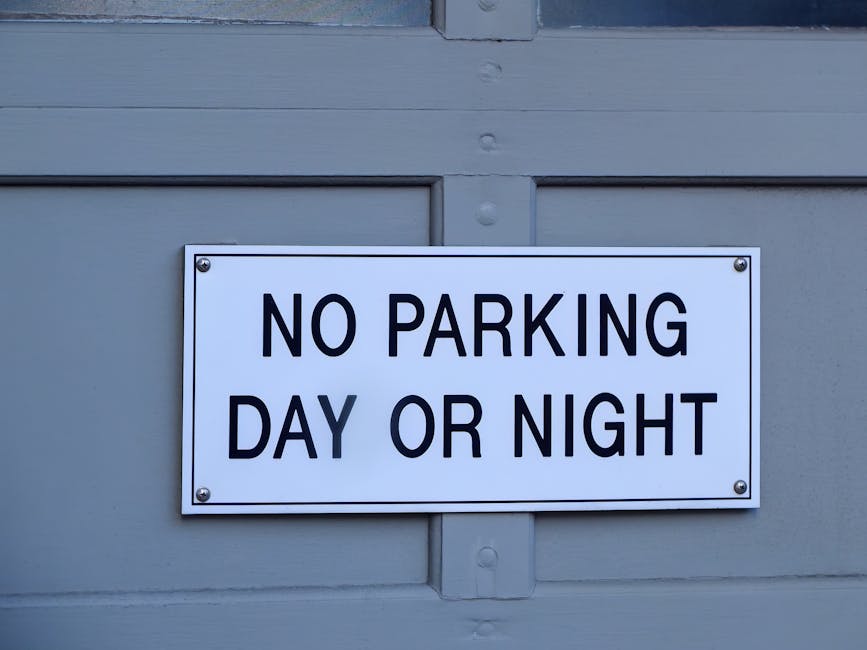
- Check for obvious restrictions. Yellow lines, loading signs, permit bays, school-adjacent restrictions, and access-only markings all matter. If in doubt, treat the sign as meaningful until proven otherwise.
- Work out your loading needs. A one-bed flat move, a student room, and a piano move are not the same thing. The heavier or more awkward the load, the more important close access becomes. For example, piano moving often benefits from a much more controlled loading set-up, which is one reason many people review the advice in this piano moving guide before they start.
- Choose the right time of day. Mornings can be easier for access in some streets, but every area has its own rhythm. If school runs, commuter traffic, or refuse collection are likely, plan around them.
- Tell everyone involved what to expect. If you are using a removals team, brief them on access, road width, floor level, and any distance from parking to door. If family or friends are helping, make sure they know the route and entry point.
- Keep the van position safe and practical. The best spot is not always the closest one. It is the one that lets the van load without blocking traffic, driveways, or pedestrian access.
- Have a backup plan. Sometimes the intended space is already occupied. Sometimes the weather changes. Sometimes, because life enjoys a joke, a delivery truck turns up just when you need the bay.
If your move involves a lot of packing and boxed items, a little pre-organisation helps enormously. The article on packing like a pro is helpful here because good packing shortens the time the van needs to stay in position. That can be a real advantage on streets with tighter rules.
One small thing people forget: if you are moving bulky furniture, protect doorways and stair edges so nobody feels pressured to rush. A rushed corner is often where scrapes happen. Ask anyone who has tried to angle a sofa through a tight hallway; it's rarely graceful.
Expert Tips for Better Results
These are the practical habits that make a real difference when parking conditions are not ideal.
- Do a dry run before moving day. If possible, visit the street at the same time of day your move is planned. The feel of the road changes with traffic, school pick-ups, and parked vehicles.
- Measure the awkward bits. It sounds obvious, but many delays happen because a van is too long for the intended position or a turn is tighter than expected.
- Keep your items grouped by loading order. The less time spent hunting for the next box, the less time the van needs to remain parked in a potentially sensitive spot.
- Use extra hands where it counts. One person to hold the door, one to guide the trolley, one to watch the road. Not glamorous, but it works.
- Don't assume a quick stop is free of risk. A few minutes can still be enough to attract a penalty if the restriction is active. That's the annoying bit.
If you are moving furniture or a full household load, the advice on furniture removals in Bexleyheath can help you think through the logistics of large pieces, and the page on choosing the right removal van is worth a look when vehicle size and parking space need to be balanced carefully.
A slightly old-fashioned tip, but still useful: keep a printed note of your access plan. When phone batteries run low or the signal disappears in the middle of a busy move, a scrap of paper can save the day. Not high tech, just handy.
Common Mistakes to Avoid
Most moving fines and access headaches come from very ordinary mistakes. The good news is that they are avoidable if you know what to watch for.
- Leaving parking until the van arrives. This is the biggest one. By then, you are already under pressure.
- Reading signage too quickly. Loading signs, permit times, and bay conditions can be easy to misread in a rush.
- Blocking a drop kerb or driveway. Even if it feels temporary, it can create conflict or a penalty risk.
- Underestimating how long unloading takes. One trip becomes five. Then another. Then someone realises the mattress is still upstairs.
- Using the wrong vehicle for the street. A bigger van is not always better if the road is cramped.
- Ignoring the weather. Rain makes surfaces slick, and a wet pavement slows everything down. You feel it in the hands first.
Another common one is not planning around item difficulty. A freezer, for example, needs more care than a stack of boxes, and if it is being moved as part of a wider relocation it makes sense to think about handling and storage in advance. The guide to storing a freezer safely and effectively can be useful if storage or staggered moving is part of the plan.
And then there is the classic move-day assumption that "someone else will sort the parking". That one causes more stress than it should. Better to assign the role clearly, even if it is just one person keeping an eye on the van while everyone else carries. Simple delegation. Very underrated.
Tools, Resources and Recommendations
You do not need a complicated toolkit to manage moving access well. You need the right information and a few basic aids.
- Paper notes or a phone checklist: Useful for restrictions, timings, and who is arriving when.
- Measuring tape: Helpful for van clearance, doorway widths, stairwells, and awkward furniture paths.
- Labels and room plans: Make unloading faster and reduce time parked outside.
- Protective gear: Gloves, sensible shoes, and grip help more than people expect.
- Storage planning: If part of the move is going into storage, that can change loading priorities and timing. The local page on storage in Bexleyheath may be relevant.
For people trying to reduce the size of the move before it even starts, decluttering before a smooth move is a genuinely practical read. Less stuff means less loading time, and less loading time usually means less exposure to parking problems.
If the move is last-minute, or you have a short turnaround, the advice in urgent same-day removals in Bexley is also useful because fast moves often leave less room for parking mistakes. And let's face it, last-minute moves are when people most need a calm voice and a clear plan.
Law, Compliance, Standards, or Best Practice
For moving day purposes, the safest assumption is that roadside restrictions, signs, and bay markings should be treated as enforceable unless you have clear reason to believe otherwise. In the UK, parking and highway rules are applied locally, and that means the exact situation can vary from one street to the next. A moving vehicle is still subject to those controls.
Best practice is to prepare as though enforcement could happen at any time, because it often can. That means:
- checking signage before stopping
- avoiding obstruction of traffic or access points
- using loading space only where it is permitted
- keeping the vehicle attended where possible
- not relying on assumptions about "just a quick minute"
There is also a broader safety duty in the background. Moves should be carried out in a way that reduces the risk of injury, property damage, and nuisance to others. That overlaps with handling practice, which is why the article on kinetic lifting and safe movement can be a helpful companion piece for anyone carrying awkward items by hand.
For team-based moves, good compliance is often more about habits than paperwork: brief the crew, keep access clear, and avoid improvising under pressure. That is really the heart of it. Nothing exotic. Just disciplined basics.
Options, Methods, or Comparison Table
When you are planning a move in Bexley, there are usually a few access approaches to choose from. The best one depends on the property, the street, and how much you are moving.
| Approach | Best for | Advantages | Trade-offs |
|---|---|---|---|
| Park close to the property | Short, well-controlled streets with enough space | Fast loading, lower carrying strain, simpler handovers | May be hard to secure and may still be restricted |
| Park a short distance away | Streets with some restrictions or limited frontage | More flexible, easier to fit around traffic | Longer carry time, more labour, more trips |
| Use a smaller van | Narrow roads, smaller flats, light-to-medium loads | Easier access and manoeuvring | May require more trips or careful packing |
| Use a larger removal vehicle | Full house moves or bulky items | Better capacity, fewer journeys | Harder to park and position on tight streets |
If you are leaning toward a more tailored moving setup, the general overview on services and moving support can help you compare what is suitable. For some moves, especially flats or student relocations, the smaller and more agile options are often the smarter choice.
That is why pages like flat removals in Bexleyheath and student removals in Bexleyheath are often more relevant than people first think. Smaller-scale moves still live or die by access planning.
Case Study or Real-World Example
Picture a typical Bexley flat move on a weekday morning. The property is on a road with a mix of resident parking and passing traffic. The customer has a sofa, a bed frame, several boxes, and a couple of awkward lamps. At first glance, the plan is simple: park outside, load quickly, and be done by lunchtime.
Then reality intrudes. A neighbour has already taken the nearest bay. The road narrows near the corner. A delivery van pauses opposite the entrance. Instead of forcing the issue, the moving team takes a moment to reset. They stop a little further away where the van can sit without causing a bottleneck, split the load into heavier and lighter items, and carry the boxes first while the sofa and bed are prepared for the final run.
The move takes a bit longer, yes. But it stays legal, calm, and safe. No ticket. No tense exchange in the street. No rushed lifting because someone is feeling watched. That is the kind of improvement most people only notice after the fact, when they realise the day never tipped into chaos.
If the move involves awkward furniture or a slower loading process, a bit of pre-move furniture care is worth it too. The pieces on sofa storage and protection and bed and mattress transport are both useful because they help reduce fumbling, delays, and unnecessary re-handling on the street.
Sometimes the best move is the one that looks a little slower from the outside. That is okay. Slower and cleaner beats fast and fined.
Practical Checklist
Use this checklist the day before and the morning of your move. It is simple, but it catches the common gaps.
- Confirm where the van will park and whether the space is legally usable
- Check road signs, bay markings, and any loading restrictions near the property
- Make sure the moving crew knows the exact access point
- Clear pathways inside the property so items can move out quickly
- Group boxes and furniture by loading order
- Keep keys, documents, and essentials separate from the main load
- Allow for weather, traffic, and the possibility that the nearest space is unavailable
- Protect fragile surfaces and corners before carrying begins
- Have water, gloves, and sensible footwear ready
- Build in a small time buffer, because moves always take a bit longer than planned. Always.
For a calmer overall moving process, the advice in moving tips to reduce stress pairs well with this checklist. It keeps the day grounded, rather than reactive.
Get a free quote today and see how much you can save.
Conclusion
Bexley highway and parking rules are not there to make moving harder. They are there to keep streets workable, safe, and predictable. But for movers, they can still feel like a minefield if the access plan is left too late. The good news is that most fines and most stressful delays are avoidable with a bit of local awareness, sensible timing, and a clear loading strategy.
If you remember only one thing, make it this: the parking plan is part of the move, not something separate from it. Once you treat it that way, everything else gets easier. The crew works better. The lifting feels less frantic. The street feels less hostile. And the day, thank goodness, starts to behave itself.
In the end, a good move is not just about getting things from A to B. It is about doing it without drama, without damage, and without a nasty letter through the door a week later. That is the real win.